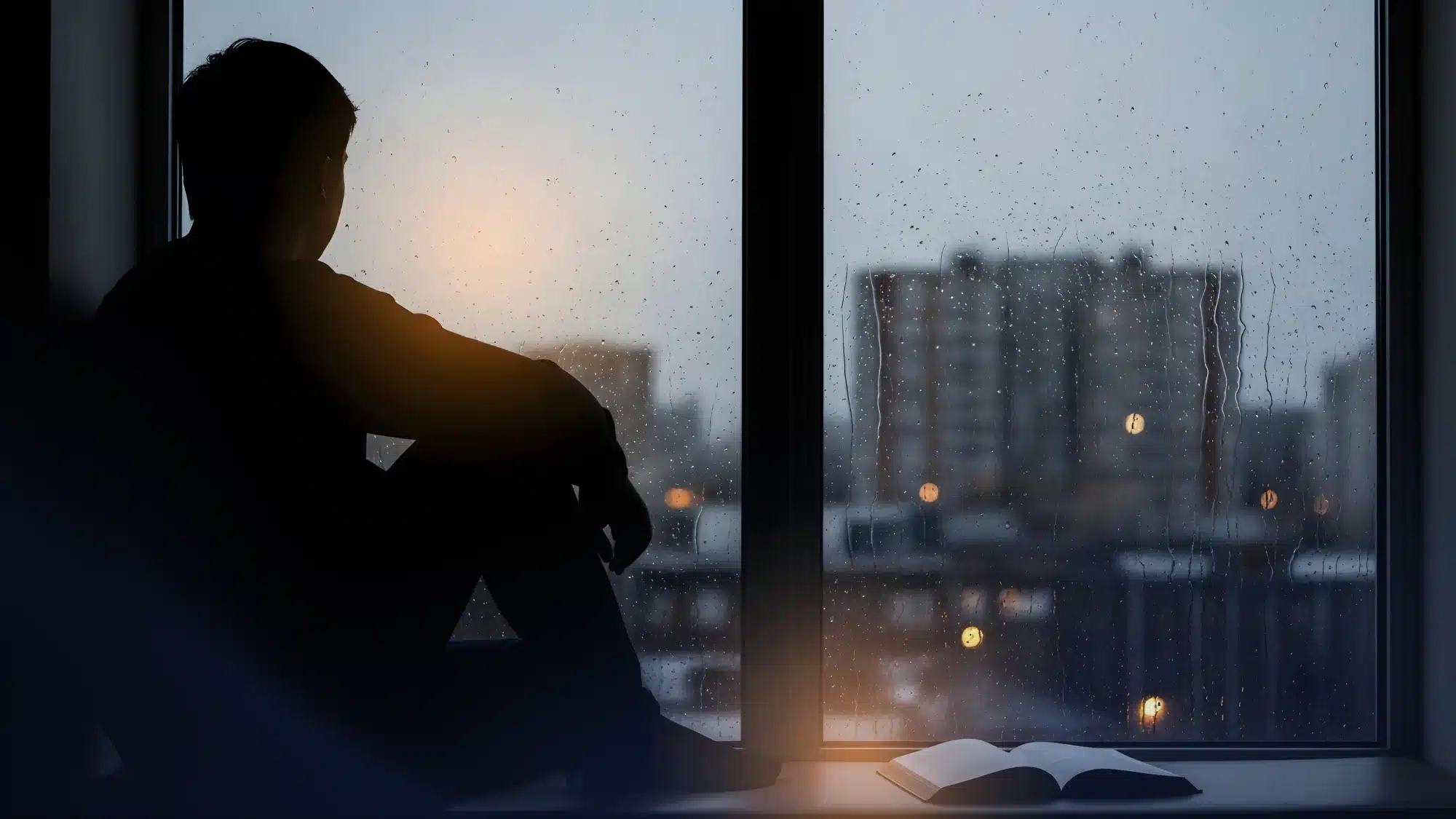
Understanding Daylight Loss in November
As November arrives, many people notice the days growing shorter and the sunlight fading earlier. This shift isn’t just a seasonal inconvenience—it can have a real impact on your mood and overall health. Research shows that the reduction in daylight hours is closely linked to changes in mental well-being, with symptoms often peaking in late fall and early winter.
The Connection Between Daylight Loss and Mood
Seasonal Affective Disorder (SAD) is a form of depression that typically begins in the fall and continues through the winter months. Symptoms often worsen around the end of daylight saving time, with a noticeable decline in mood and energy in November. Common symptoms include:
- Persistent sadness or feeling down
- Loss of interest in activities
- Fatigue and low energy
- Difficulty concentrating
- Changes in appetite, especially cravings for carbohydrates
- Oversleeping or sleep disturbances
- Weight gain
These symptoms are not just “winter blues”—they can significantly affect daily life and relationships. If you notice these changes in yourself or loved ones, it’s important to seek support from the best family doctors Lawrenceville, GA trusts for proper evaluation and care.
Why Does Less Daylight Affect Us?
The biological clock (circadian rhythm) is regulated by exposure to sunlight. When daylight decreases, it can disrupt your body’s internal clock, affecting sleep patterns and hormone levels such as serotonin and melatonin—both crucial for mood regulation. Reduced sunlight can lead to lower serotonin levels, triggering feelings of depression, while changes in melatonin can disturb sleep and energy levels.
Physical Health Impacts
Shorter days and reduced sunlight don’t just influence mood—they can also affect physical health:
- Sleep disturbances: Oversleeping or insomnia are common, leading to persistent fatigue.
- Weight changes: Increased cravings for carbohydrates and sugars can result in weight gain.
- Reduced motivation: Many people feel less motivated to exercise or engage in social activities, which can further impact health.
Self-Care and Prevention Tips
To support your well-being during November’s daylight loss, consider these strategies:
- Maximize sunlight exposure: Spend time outdoors during daylight hours, even on cloudy days.
- Stay active: Regular physical activity boosts mood and energy.
- Maintain social connections: Engage with friends and family to combat isolation.
- Monitor your sleep: Keep a consistent sleep schedule and avoid oversleeping.
- Consult professionals: If symptoms persist, reach out to the best family doctors in Lawrenceville, GA, for guidance and treatment options.
When to Seek Help
If you experience persistent sadness, loss of interest in activities, or changes in sleep and appetite that interfere with daily life, it’s time to consult a healthcare provider. Metro Medical Associates is committed to helping you navigate seasonal changes and maintain optimal health. Our team includes some of the best family doctors in Lawrenceville, GA, ready to support your physical and mental well-being.
Metro Medical Associates
Your trusted partner for family health in Lawrenceville, GA—helping you thrive through every season.